Balancing Climbing and Nature: Why Regulation Matters for Sustainable Rock Ecosystems
Rock climbing is much more than a sport — it’s a way to connect deeply with nature, to feel the texture of the rock, the wind on our skin, and the peace that comes when movement meets landscape. Yet, these same cliffs that inspire climbers are also home to fragile ecosystems — places where birds nest, plants take root in cracks, and countless small species make their home on the vertical world we love to explore.
As climbing grows in popularity, the need to manage and regulate where and when it happens becomes increasingly urgent, especially during sensitive times like breeding or nesting seasons.
Why Regulations Protect More Than Rocks
Seasonal climbing restrictions and management plans aren’t meant to “ban fun” — they are tools to ensure that our shared natural heritage remains alive and healthy. Many bird species, such as peregrine falcons or eagles, rely on undisturbed cliff faces to raise their chicks. Even a few unexpected human visits can cause adults to abandon their nests, leaving eggs or chicks without protection.
Likewise, certain cliff-dwelling plants only survive in very specific conditions: stable microclimates, minimal human impact, and intact rock faces. Excessive use of chalk, bolts, or foot traffic can damage this delicate balance.
Short-, Medium-, and Long-Term Benefits
-
Short-term: Allowing areas to rest during nesting seasons gives animals the quiet they need to reproduce successfully. It also helps preserve the most sensitive vegetation from trampling and erosion.
-
Medium-term: Responsible climbing management builds trust between climbers, conservationists, and local authorities. It ensures continued access to areas while maintaining ecological integrity.
-
Long-term: A culture of sustainability strengthens the future of the sport itself. With thriving cliff ecosystems, future generations will inherit not just routes, but living, breathing mountains full of biodiversity and wonder.
A Shared Responsibility
Sustainable climbing means seeing ourselves as part of nature, not separate from it. Following seasonal closures, using existing routes and paths, and supporting local conservation projects are small actions that make a big difference. The goal isn’t to climb less, but to climb better — with awareness, respect, and gratitude for the places that make our passion possible.
When regulation and responsibility go hand in hand, the mountains remain wild, the species survive, and the joy of climbing can endure for generations to come.
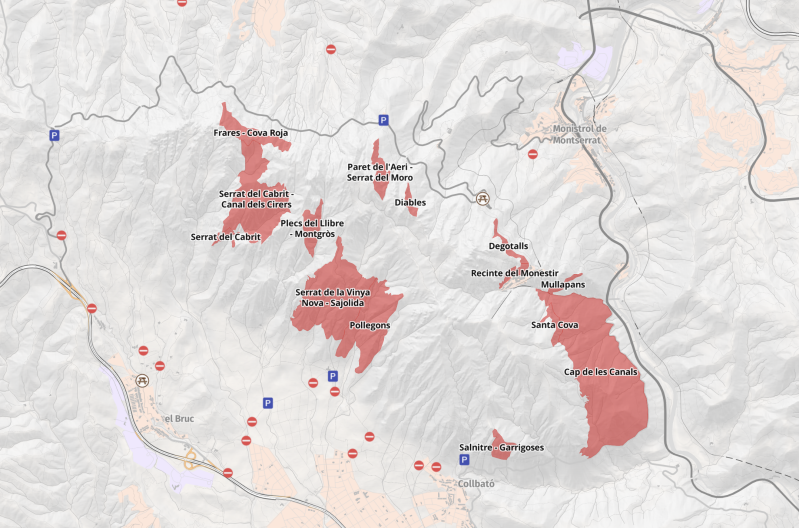
You can check the current Montserrat climbing regulations on this interactive map: http://www.gencat.cat/patronatmontserrat/MapaRegEscPNMM/index.html#12.86/41.59343/1.81181
Add comment
Comments